Graphic Design Course: A Complete Beginner's Guide to Creative Design
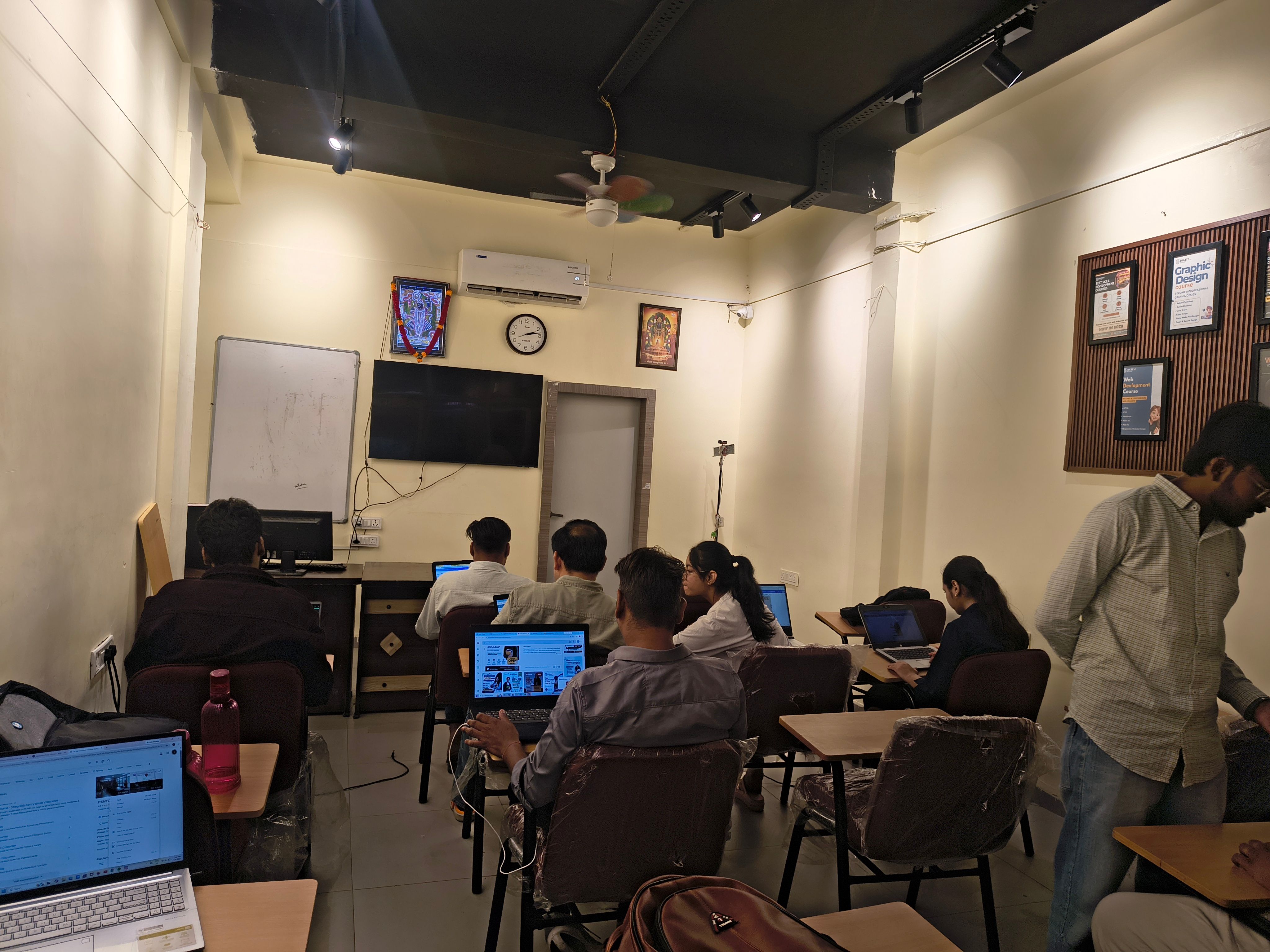
Discover everything you need to know about graphic design, from design principles and typography to industry-standard tools like Photoshop, Illustrator, Figma, and Canva. This beginner-friendly guide explains how graphic design works, the skills you'll learn, and how to build a strong foundation for a successful creative career.
Graphic Design Course: A Complete Beginner's Guide to Creative Design
Introduction
Right now, glance at what’s nearby. That mark on your preferred label’s page online, the picture scroll-stopping you mid-feed, the advertisement link drawn your eye yesterday - each shares something quiet but clear. Visual making shapes them all.
Picture this: eyes scroll quicker now than before, so images speak louder than words. When companies, artists, or labels fight for a glance, strong visuals tip the scale - seen or skipped, it hinges on how it looks. A well-shaped layout grabs what fleeting seconds remain.
Picture this - more people than ever are signing up for graphic design courses. Students, freelancers, even business owners and working pros find their way here. Because sharp visuals matter now more than before. These classes build abilities to craft images that catch eyes while saying something real. Looks good? Yes. But they also mean something.
Picture yourself creating for big names. Maybe going solo as a freelancer suits you better. Or perhaps picking up a strong new skill just feels right. Dive into graphic design - it might shift everything.
Understanding a Graphic Design Course?
A journey into graphic design begins with lessons on how visuals speak to people. Through practice, ideas take shape using color, type, and layout. One step at a time, thinking blends with art to solve problems. Results show up in images that capture attention without shouting. Learning unfolds by doing, making mistakes, then refining what didn’t work before.
Most folks think graphic design just means pretty pictures. Truth is, there’s way more beneath the surface. Good work here fixes issues, shares messages, builds brand trust, shapes choices.
Starting off right, a solid graphic design class covers core ideas such as type choices, color use, and page structure. Moving along, it walks through essential programs professionals rely on every day. What truly matters though? Building a mindset that sees problems as chances to invent. Along the way, basic principles blend with brand thinking and photo adjustments, forming one clear path forward. Finishing strong means facing tough projects differently - finding answers that work well while still feeling fresh. The shift happens quietly: old habits fade when better methods take their place.
Graphic Design Gains Greater Importance
Now more than ever, companies going digital demand sharper visuals. A standout presence sticks in minds - storytelling through images does that. Reaching people happens differently these days; it leans on what captures attention fast.
Graphic designers play an important role in creating:
- Brand identities
- Social media content
- Website visuals
- Marketing materials
- Advertisements
- Product packaging
- Presentation designs
- Digital campaigns
A well-thought-out look can make customers feel confident, remember your name, yet stand out in their minds long after they’ve moved on. Because more companies want that edge, crafting visuals now ranks among the key talents shaping how things appear online.
Skills Learned in a Graphic Design Course
Starting out on a graphic design course opens doors to many hands-on abilities. Alongside creativity, problem-solving grows stronger through real projects. Skills build slowly, shaped by doing rather than just watching. Each task adds something different - clarity here, precision there. Learning happens in layers, often without notice. What sticks tends to be what was practiced most.
Design Principles
Foundation first - without it, nothing holds. From day one, learners meet core ideas: balance shapes stability, yet contrast adds spark. Alignment guides the eye, while hierarchy decides what matters most. Repetition builds rhythm, but spacing gives room to breathe. Together, they shape work that looks clear, feels right.
Typography
Words do more than sit on a page. How they line up changes how we see them. A font choice matters less if spacing feels off. Designers who study letter shapes start seeing patterns others miss. Lines of text breathe easier when margins listen. Clarity grows where alignment stays quiet. Messages slip through when type fights back. Good rhythm pulls eyes without shouting. Letters connect when size knows its role. Space between lines whispers comfort. Even small shifts shift meaning. Details speak before words are read.
Color Theory
Red might make someone feel alert. Through shapes and tones, choices in a classroom explain why certain hues fit better together. Sometimes blue calms while yellow grabs attention. Lessons show ways shades support what a company wants to say. Pairings matter when building recognition. What feels right often depends on context seen through practice.
Branding and visual identity
Out there among sketches and screens, branding shapes much of today’s design work. Pencil in hand or cursor moving, students build logos alongside full visual languages - tools firms use to stand out, stay clear, yet feel familiar over time.
Layout Design
Out of clarity comes structure - good design balances order with imagination. When learners grasp how layouts work, they position visuals in ways that make messages clearer, easier to follow. A well-organized page doesn’t just look right, it feels natural to move through.
Creative Problem-Solving
Starting fresh each time, graphic design pushes people to think differently. Not just about making things look nice, but finding ways visuals can answer tough questions. Instead of focusing on decoration, it builds skills in clear messaging using shapes, colors, and layouts. Solving problems becomes the goal - through images that speak louder than words.
Design tools you will learn
Out of nowhere, creative experts reach for unique programs to shape what they imagine. While learning new skills, many art classes include real practice using top-notch tech found across the field.
Adobe Photoshop
Painting on screens happens a lot inside Photoshop. Many tweak pictures there, reshape visuals sometimes too. Digital drawings come alive through its tools often. Social posts get their look fixed or built using it instead.
Adobe Illustrator
When it comes to designing logos, Illustrator usually ends up being the go-to choice. Vector artwork often takes shape here, smooth and scalable without losing quality. Drawings meant for print or web find their form through its precise paths. Branding projects tend to start within its workspace more than most expect. Clean lines, sharp edges - these show up naturally when building identity pieces.
Figma
Figma now stands among top tools people pick when building sites or apps. What once felt complex feels smooth through its interface workspaces. A shift toward live collaboration changed how teams shape digital layouts together. Some swear by it others just fall into using it after trying three alternatives. Its grip on design tasks grows while competitors watch closely what happens next.
Canva
Starting fresh? This app makes first steps feel smooth. Graphics turn out sharp, even when skills stay light. Speed meets simplicity right inside the interface. Good results show up early, no expert background needed. Click by click, clean visuals come together naturally.
Mastering such tools gives learners hands-on skills, readying them for actual design work. While practicing, they build confidence through doing rather than just studying. Each task sharpens their thinking in ways textbooks alone cannot match. Real challenges emerge only when trying things out step by step. Knowing how the software behaves makes decisions clearer during complex tasks. Experience grows quietly behind every completed exercise.
Learning Graphic Design Through a Course
A graphic design course offers much more than technical knowledge.
It Enhances Creativity
Starting with a problem can shift how students approach answers. Instead of following steps, they test ideas that might surprise them. A question without one right solution opens paths few expect. Trying something odd sometimes leads to what works best.
Builds Professional Skills
Apart from creative fields, graphic design finds its place in tech, online retail, promotion work, ads, and various forms of media. While some may link it only to art, its reach stretches into places you might not expect at first glance.
It Improves Communication
From sketching thoughts to shaping messages, visual clarity becomes a tool for connection. Ideas take form when drawn out, helping others follow along without confusion. Through practice, seeing turns into storytelling - simple shapes carry meaning. Pages fill not with clutter but purpose, each element guiding attention where it needs to go. Learning this craft means turning abstract concepts into something anyone can grasp at a glance.
Supports personal branding
A strong personal brand might just come easier if you know your way around design - freelancer, business owner, or someone making content. Tools shape how people see you, even when words fall short. Visual choices speak before you do, especially online. Standing out often depends on more than talent alone. How things look matters, quietly but deeply.
It Opens New Paths
Starting fresh, graphic design leads into imaginative tasks, team efforts, independent gigs, also chances to grow a career.
Different Areas of Graphic Design
Out of all creative jobs, picking colors and shapes stands out. Some folks twist visuals into ads, others build logos that stick. A screen might need art, then again maybe a poster does. Making things look good happens everywhere you glance. Each project changes the game slightly.
Brand Design
A fresh look begins here - logos take shape, then full visual styles follow. Identity systems grow through careful choices, one piece at a time. Rules form slowly, built on clarity rather than flair. Each decision ties back to how a brand shows itself, quietly, consistently.
Marketing Design
Advertisements show up alongside colorful brochures. Campaign visuals appear mixed with printed handouts. Promotional pieces come tucked between posters. Flyers blend into displays meant to catch attention.
Social Media Design
Creating content that grabs attention, made just for social media sites. Platforms shape how stories unfold online through visuals and short messages. Each post works hard to connect when people scroll fast. Designed with purpose, these pieces live where users spend time daily.
Web Design
Focuses on designing visually appealing and user-friendly websites.
UI Design
Deals with designing interfaces for websites, applications, and digital products.