
Introduction:
Online courses have become increasingly popular in recent years, especially since the COVID-19 pandemic has made it difficult for people to attend in-person classes. However, with the rise of online courses, competition has also increased, making it challenging for online course sellers to stand out in a crowded market. This is where digital marketing comes in. Digital marketing can help online course sellers reach their target audience, build their brand, and drive sales. In this blog, we will explore why digital marketing is necessary for online course sellers and the various digital marketing strategies they can use to grow their businesses.
Why Digital Marketing is Necessary for Online Course Sellers:
Reach a Wider Audience:

Digital marketing allows online course sellers to reach a broader audience than traditional marketing methods. Online courses can be marketed to people all over the world, regardless of their location, making it possible for online course sellers to tap into new markets and expand their businesses.
Build Brand Awareness:

Digital marketing can help online course sellers build their brand and establish themselves as thought leaders in their field. By creating valuable content, engaging with their audience on social media, and promoting their courses through targeted advertising, online course sellers can increase brand recognition and credibility.
Increase Traffic to their Website:

Digital marketing can help online course sellers increase traffic to their website, which can lead to more sales. By optimizing their website for search engines, running pay-per-click advertising campaigns, and creating valuable content, online course sellers can attract more visitors to their website and improve their search engine rankings.
Engage with their Target Audience:

Digital marketing allows online course sellers to engage with their target audience through various channels, such as social media, email marketing, and chatbots. By providing personalized content and addressing their audience’s pain points and concerns, online course sellers can build a relationship with their audience and increase the likelihood of sales.
Digital Marketing Strategies for Online Course Sellers:
Search Engine Optimization (SEO):

SEO involves optimizing a website to rank higher in search engine results pages (SERPs) for specific keywords. By targeting relevant keywords and optimizing their website’s content, online course sellers can attract more organic traffic to their website and improve their search engine rankings.
Pay-Per-Click Advertising (PPC):

PPC advertising involves placing ads on search engines or social media platforms and paying for each click on the ad. Online course sellers can use PPC advertising to target specific keywords, demographics, and locations to ensure their ads are seen by their target audience.
Social Media Marketing:
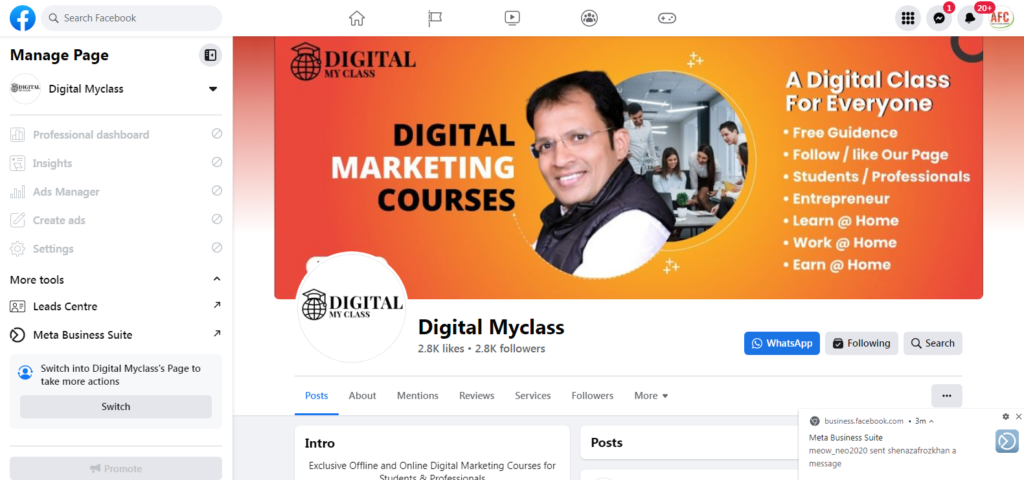
Social media marketing involves creating and sharing content on social media platforms to engage with an audience and promote products or services. Online course sellers can use social media to share valuable content, run targeted advertising campaigns, and build their brand reputation.
Content Marketing:

Content marketing involves creating and sharing valuable content, such as blog posts, videos, and infographics, to attract and retain an audience. Online course sellers can use content marketing to educate their audience about a specific topic or skill, establish themselves as thought leaders, and promote their courses.
Email Marketing:

Email marketing involves sending targeted emails to a list of subscribers. Online course sellers can use email marketing to promote their courses, share educational content, and nurture relationships with their subscribers.
Conversion Rate Optimization (CRO):
CRO involves optimizing a website to improve its conversion rate, or the percentage of visitors who take a desired action, such as purchasing a course. Online course sellers can use CRO to improve the user experience on their website, reduce bounce rates, and increase sales.
Affiliate Marketing:
Affiliate marketing involves partnering with affiliates who promote the online course seller’s products or services in exchange for a commission. Online course sellers can use affiliate marketing to expand their reach and drive sales.
Conclusion:
Digital marketing is essential